Amalfi Coast planning intelligence
The coast is not one address
Guests still enter through Naples. That is the principal arrival system — airport and station — not a town on this shortlist. Caruso publishes 65 km and 1.25 hours from Naples airport and from Naples Central Station. Anantara publishes one and a half hours. Borgo publishes about 90 minutes and 61 km south of Naples. Sirenuse publishes 50 km. Those sentences are house-specific. They are not “everything is one hour from Naples.”
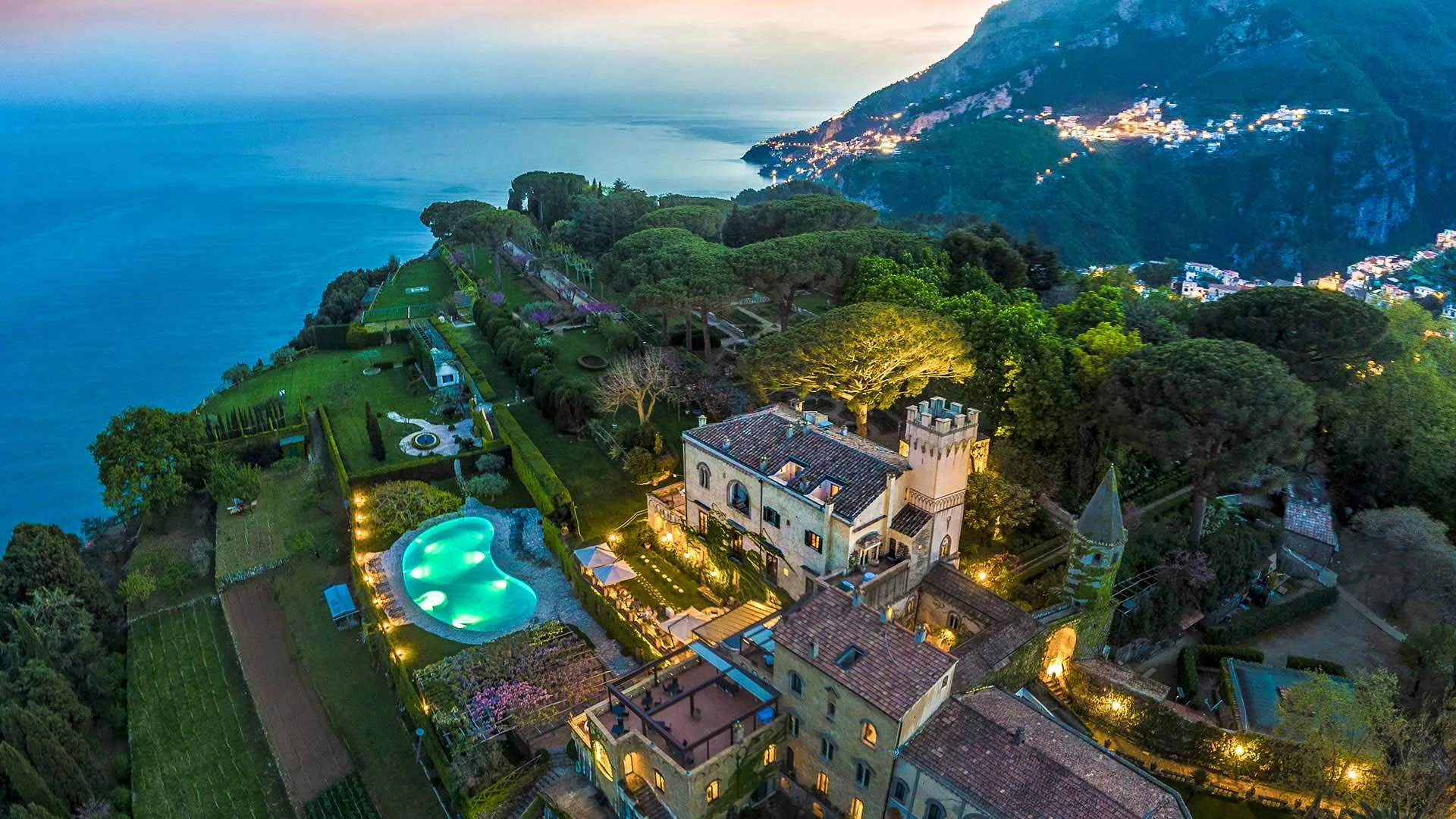
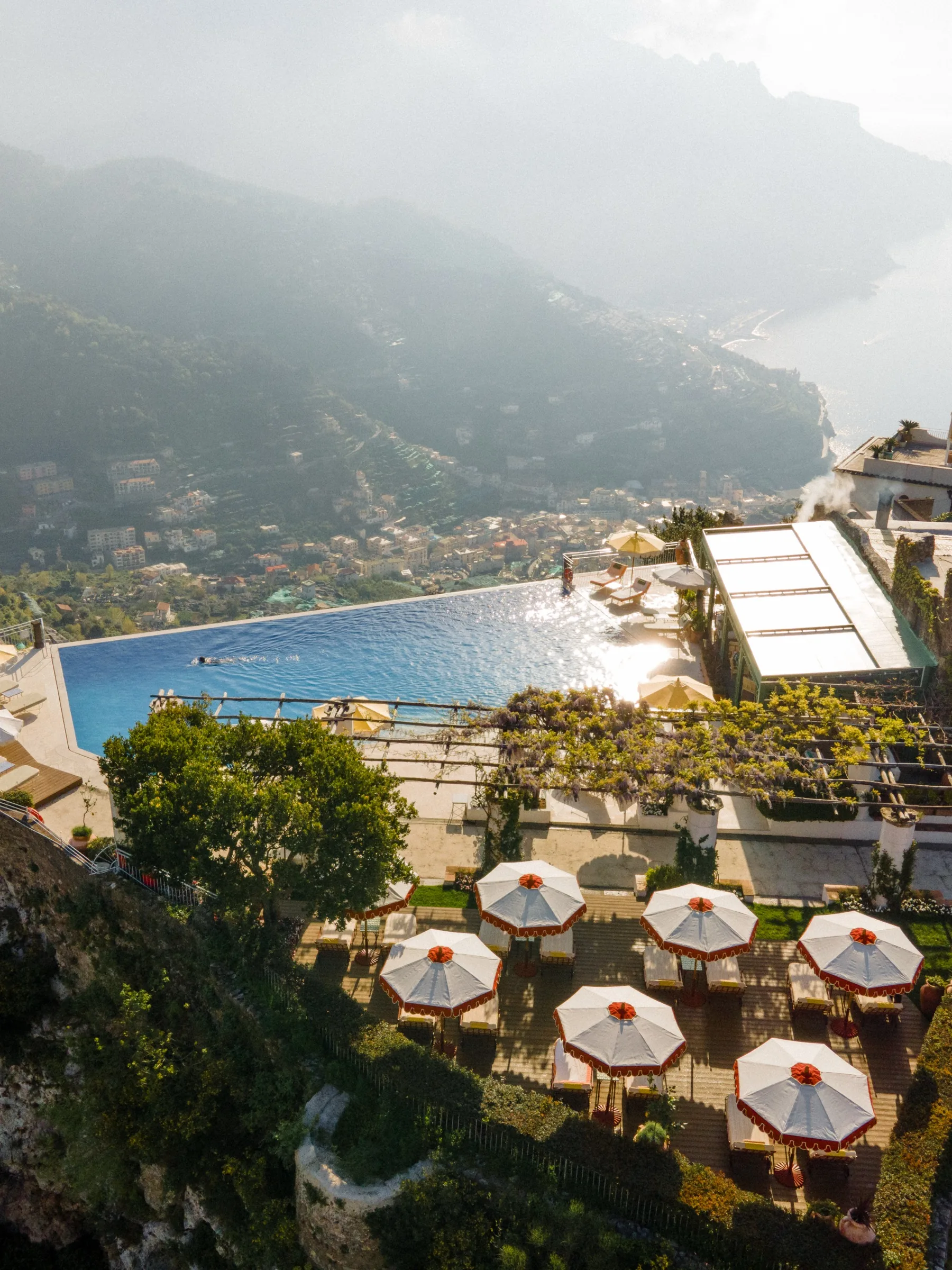
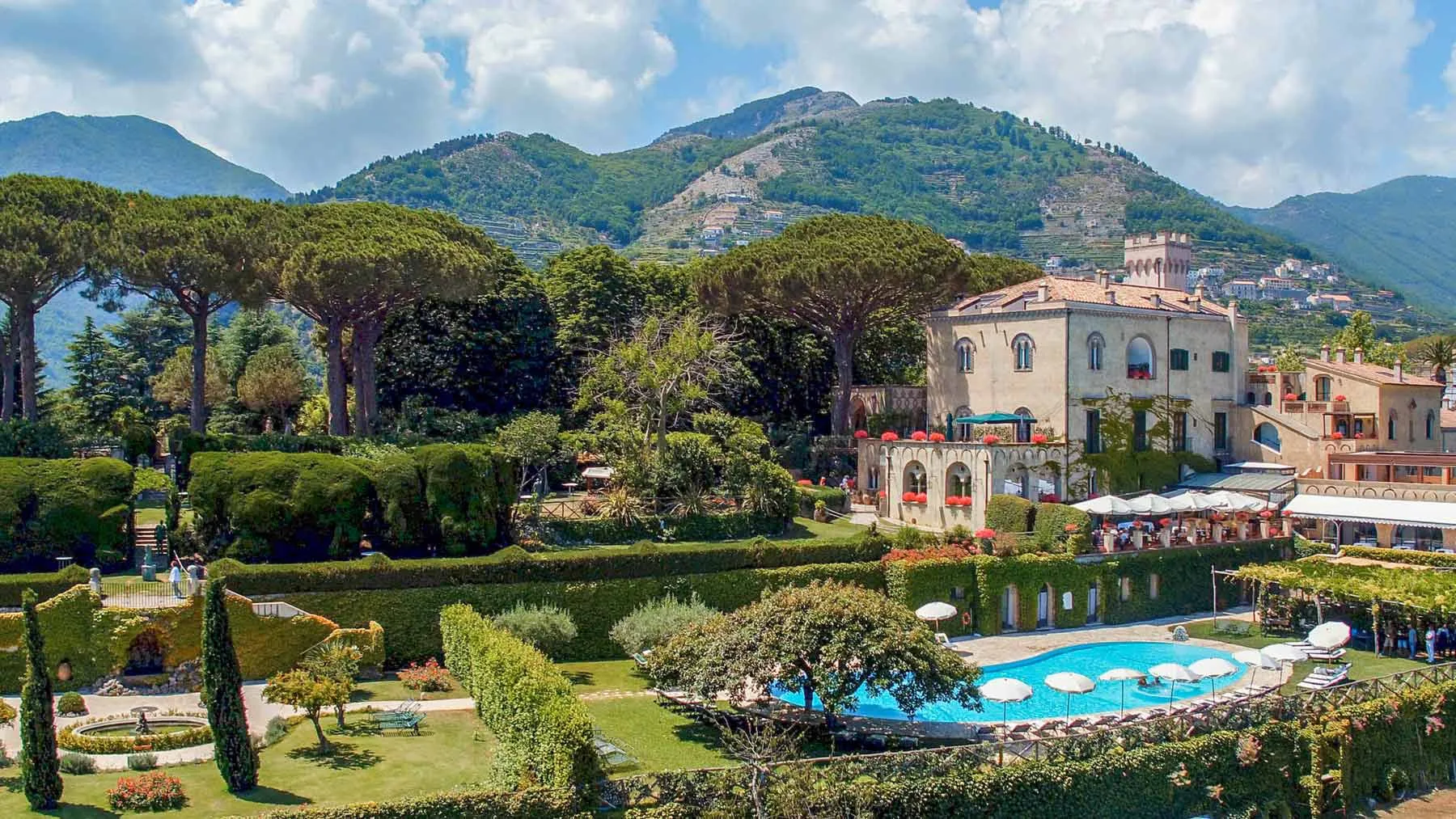
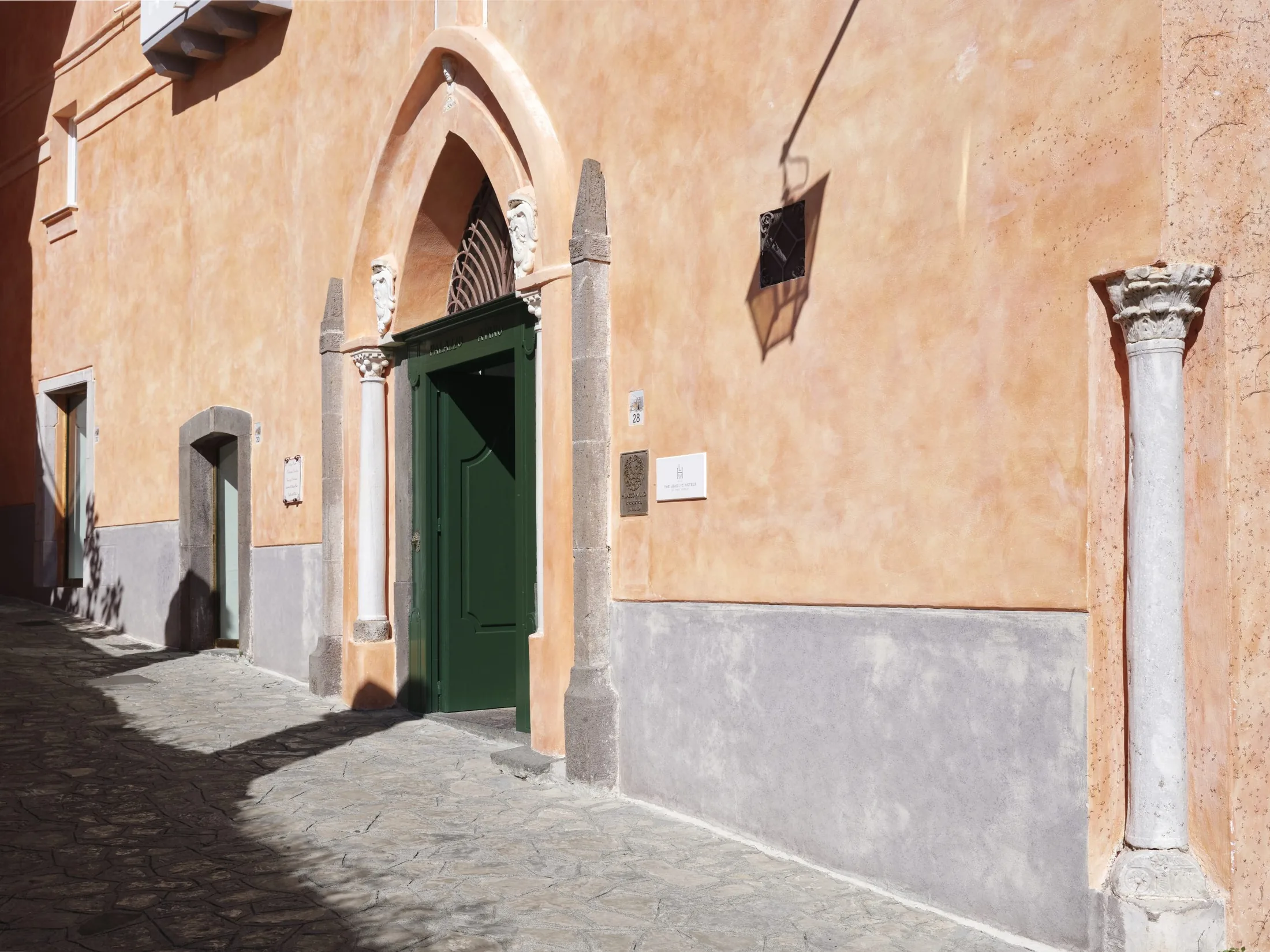
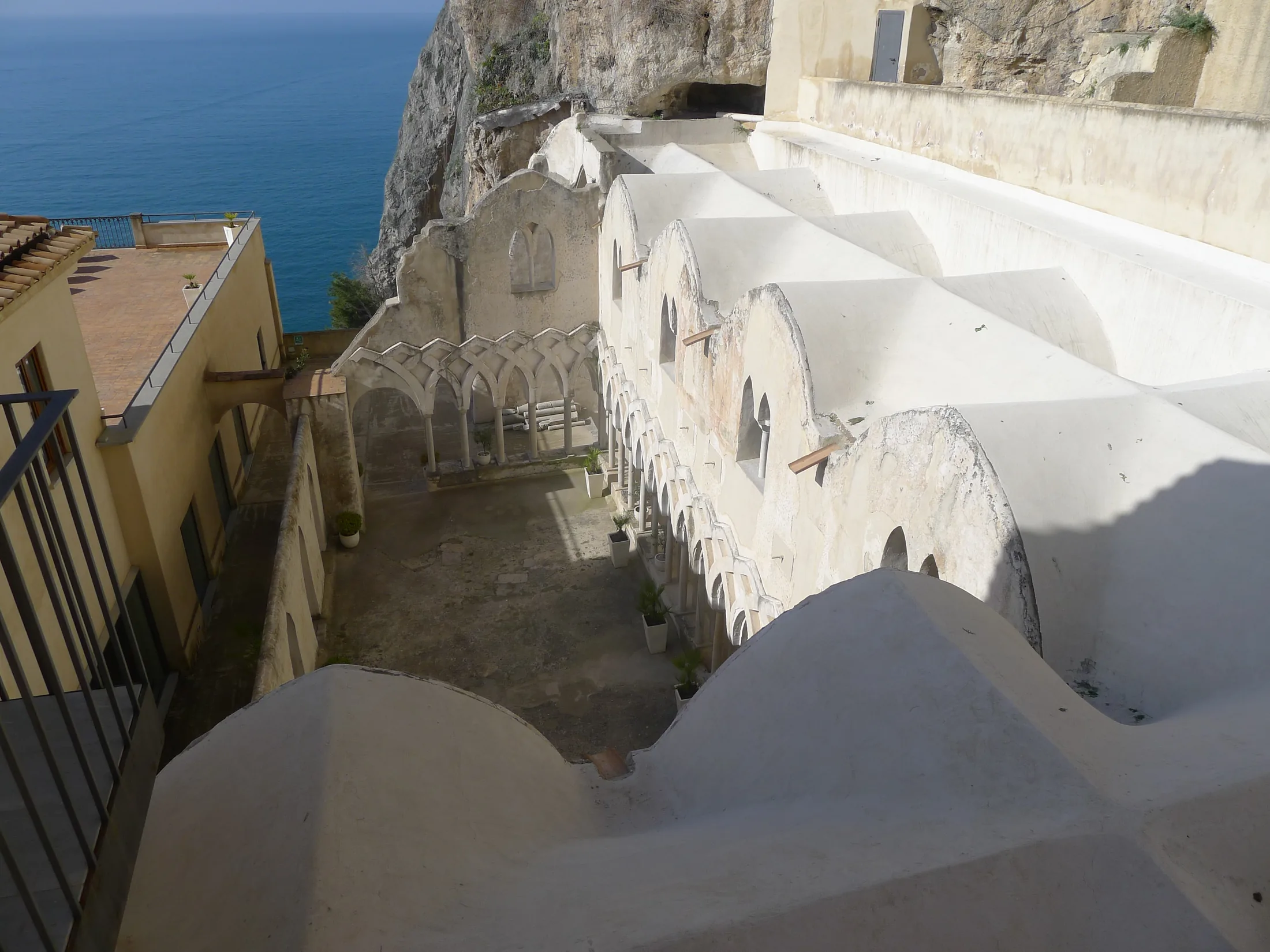
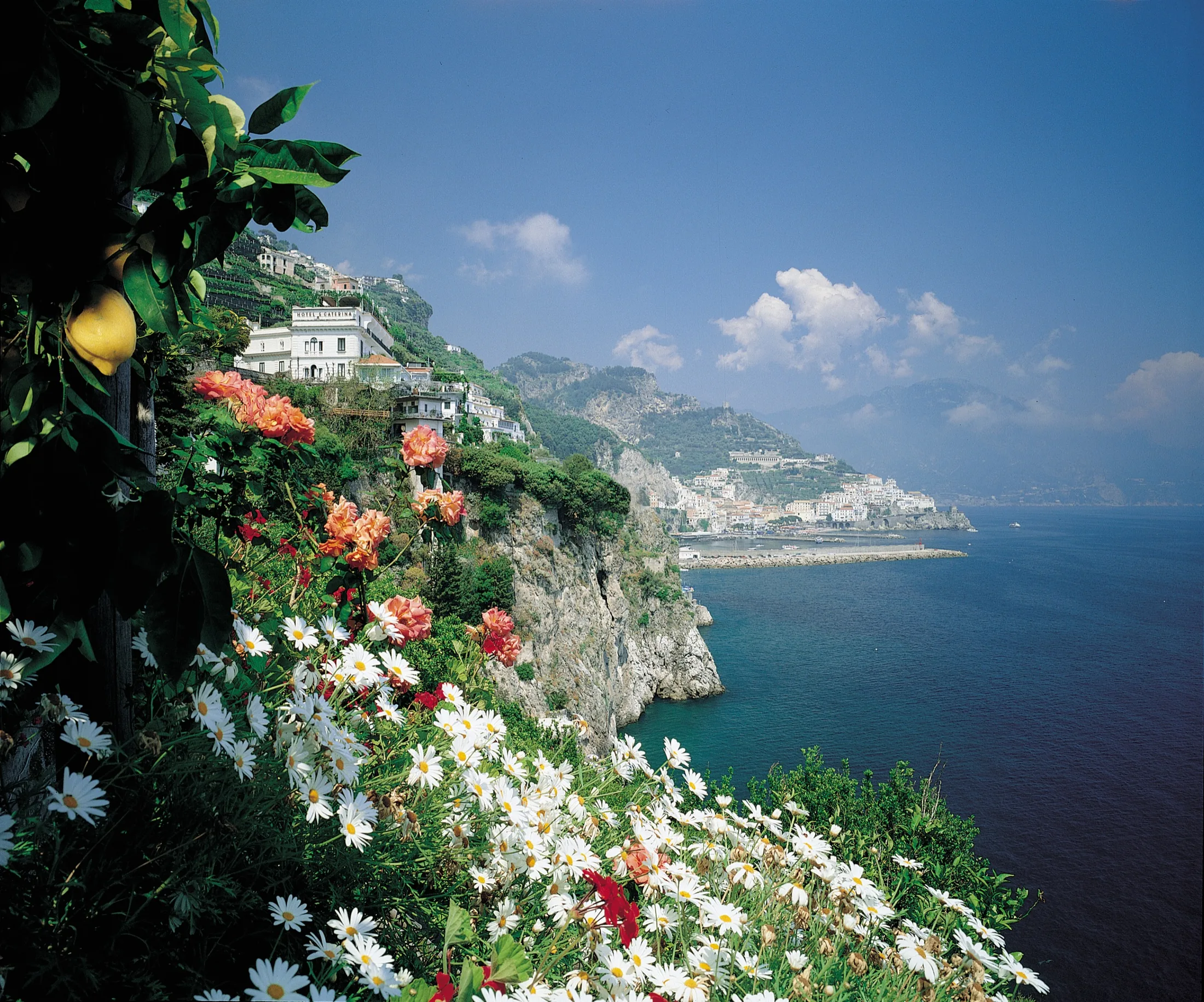
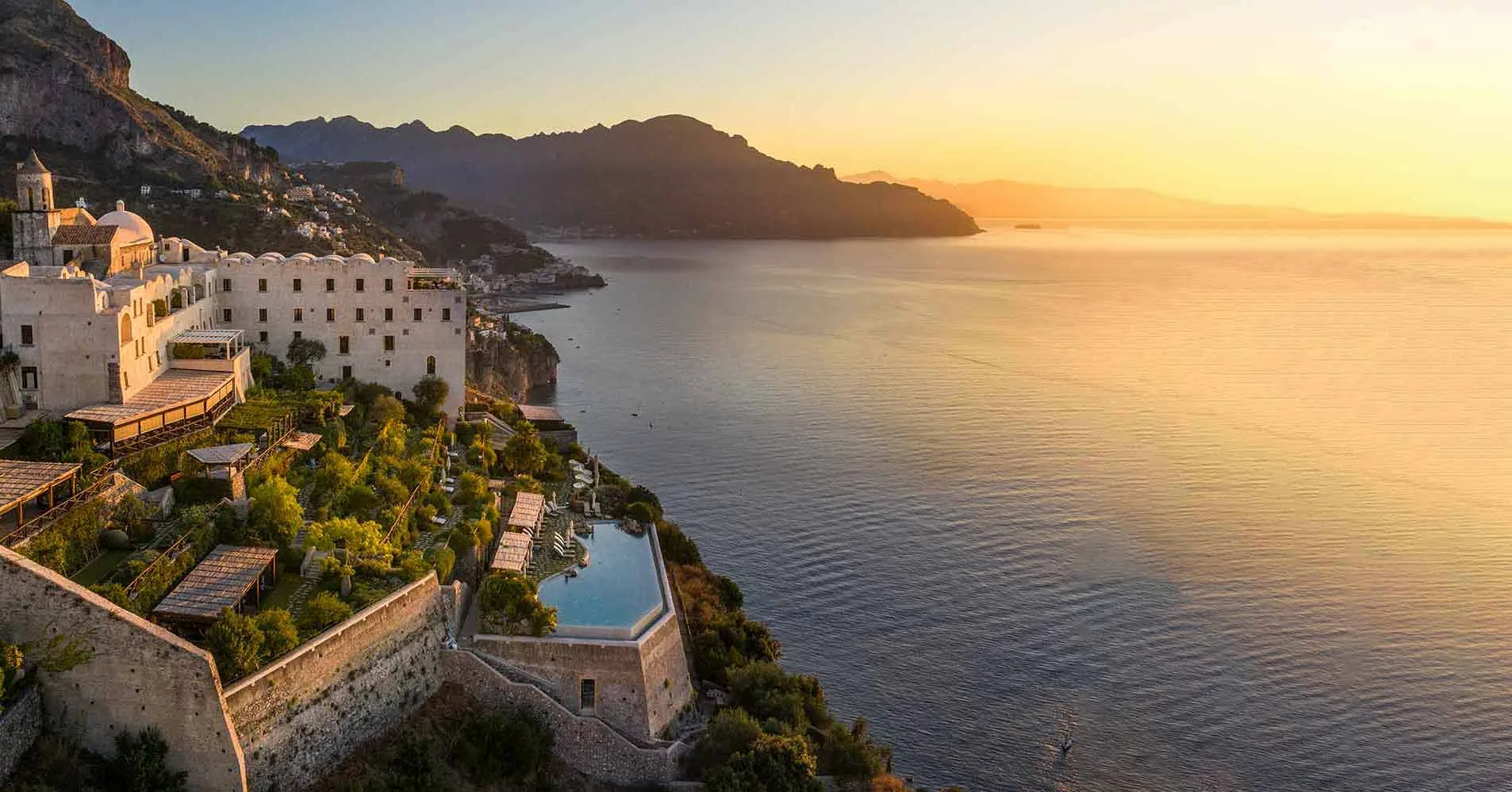
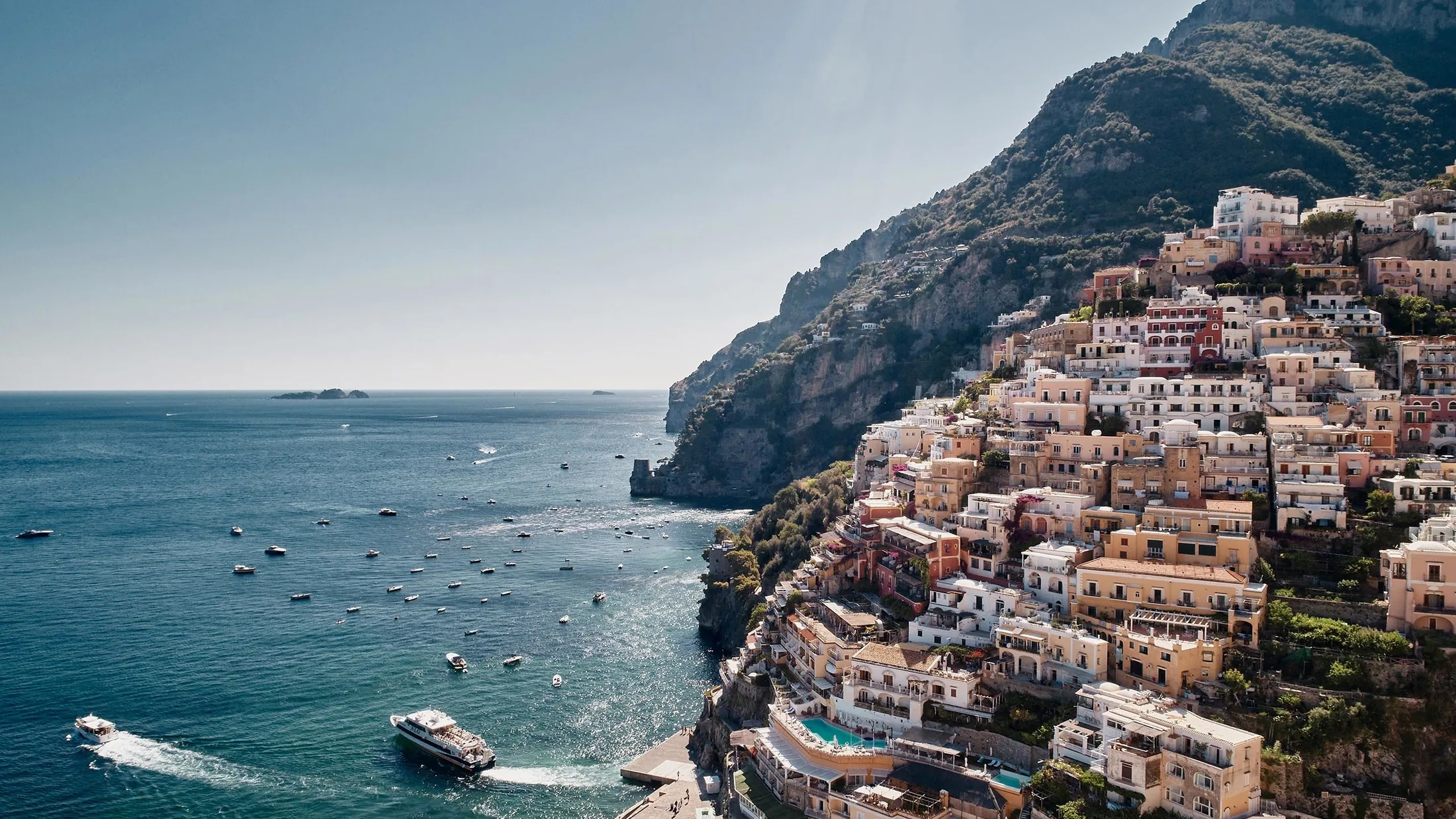
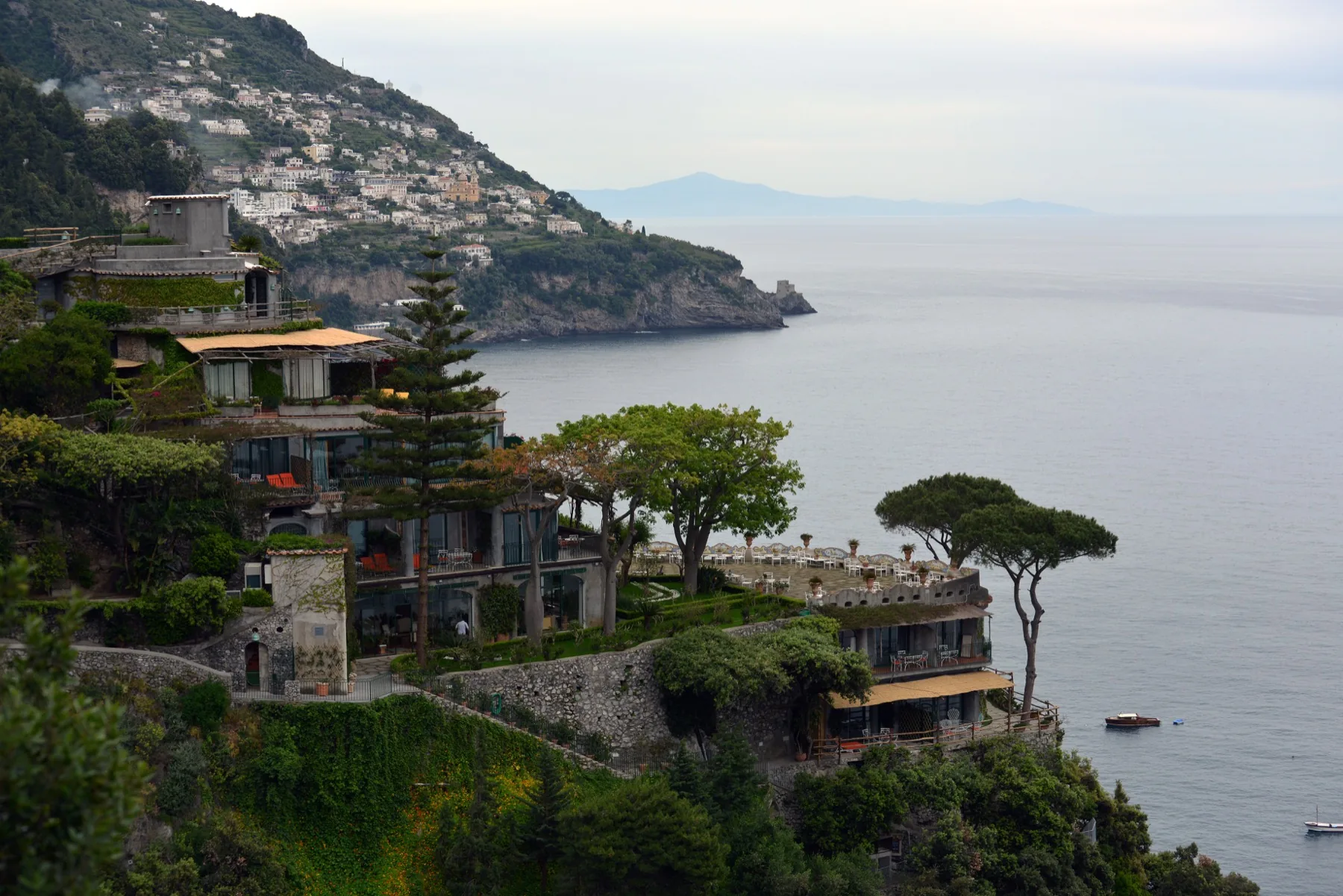
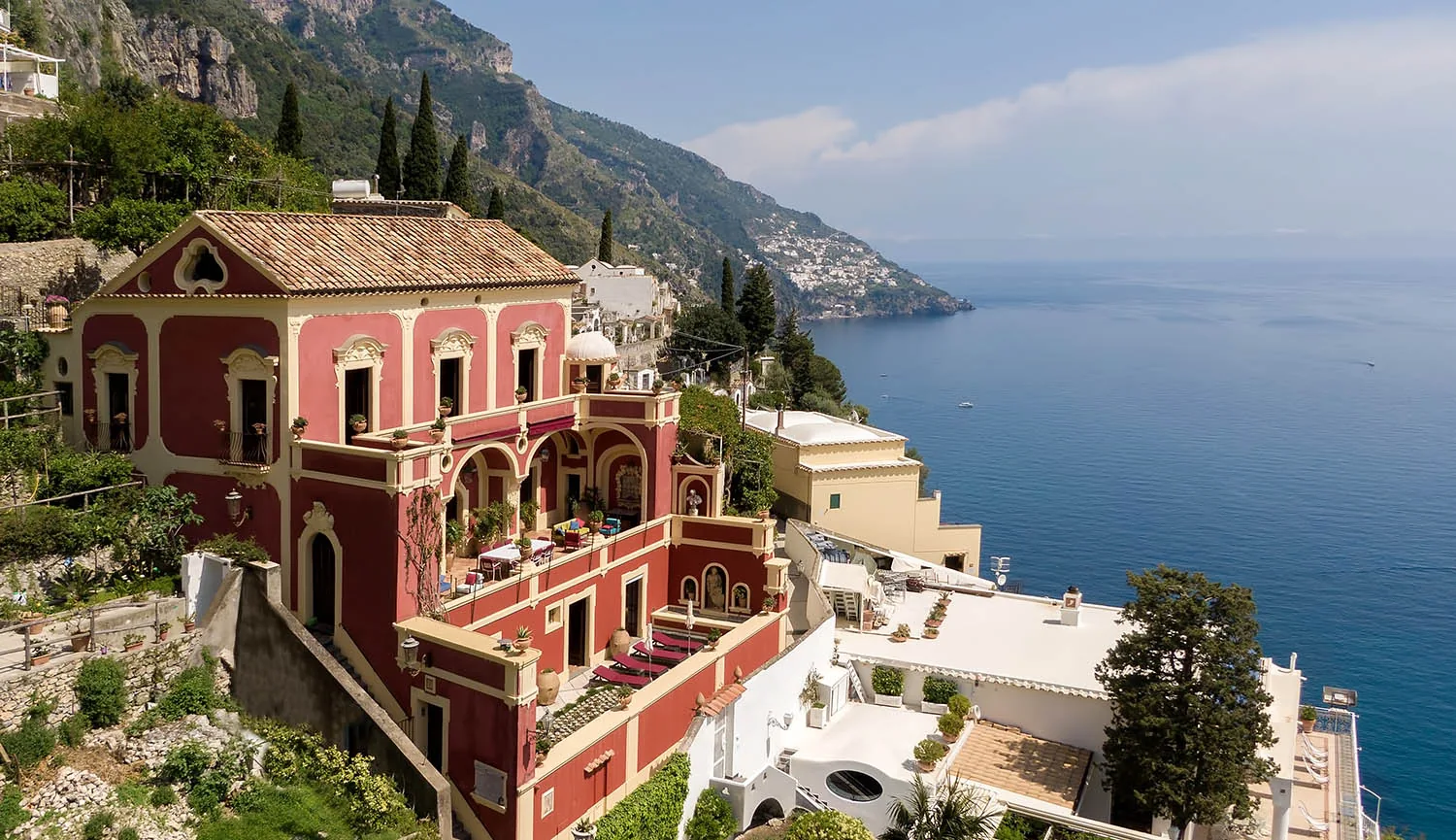
Concentration is by town. Ravello can be the whole environment if the list can sleep and move on the hill — Caruso as a takeover hotel, Cimbrone as a no-car walk, Avino as a town palazzo. Amalfi can hold nights at the convent or at Santa Caterina on the SS163. Conca is a cliff of its own. Positano splits into centro, Laurito cliff, and a five-room house. Scala is another municipality. Praiano is another stretch. Crossing between them is a wedding-day programme, not an errand.
The road is vertical. Coaches are a destination warning already stated on Destinations: this coast does not forgive a large vehicle at the wrong hour or the wrong drop. No shortlisted house published a coach ban or a coach-permitted rule on the pages used. Private cars and vans remain the default assumption until a specific access note is confirmed. Pedestrian segments and stairs are verified at Cimbrone (no car; about ten minutes of stepped stone) and at Santa Croce (190 steps or the public lift; porter for luggage). Luggage does not always follow the guest’s last walk.
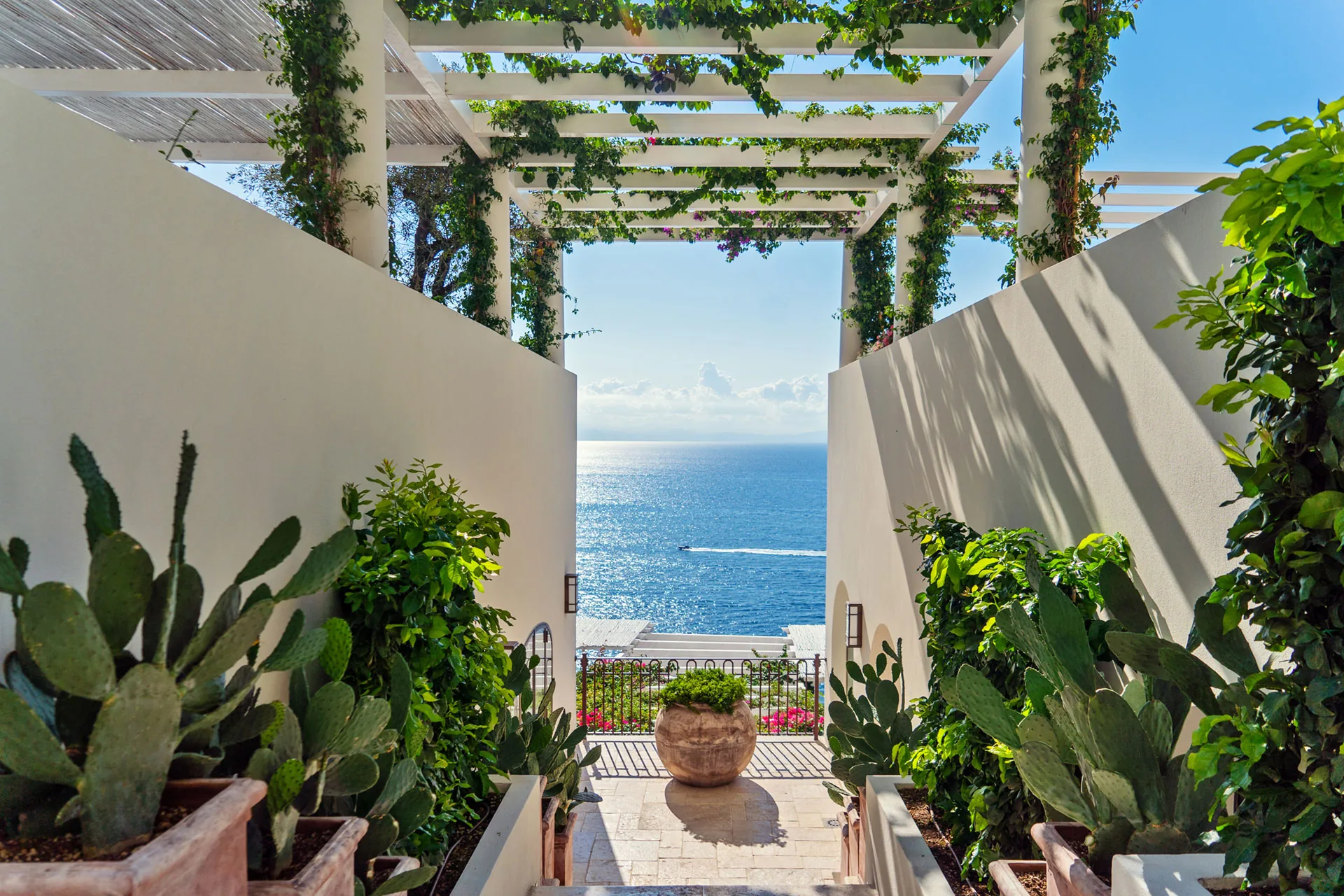
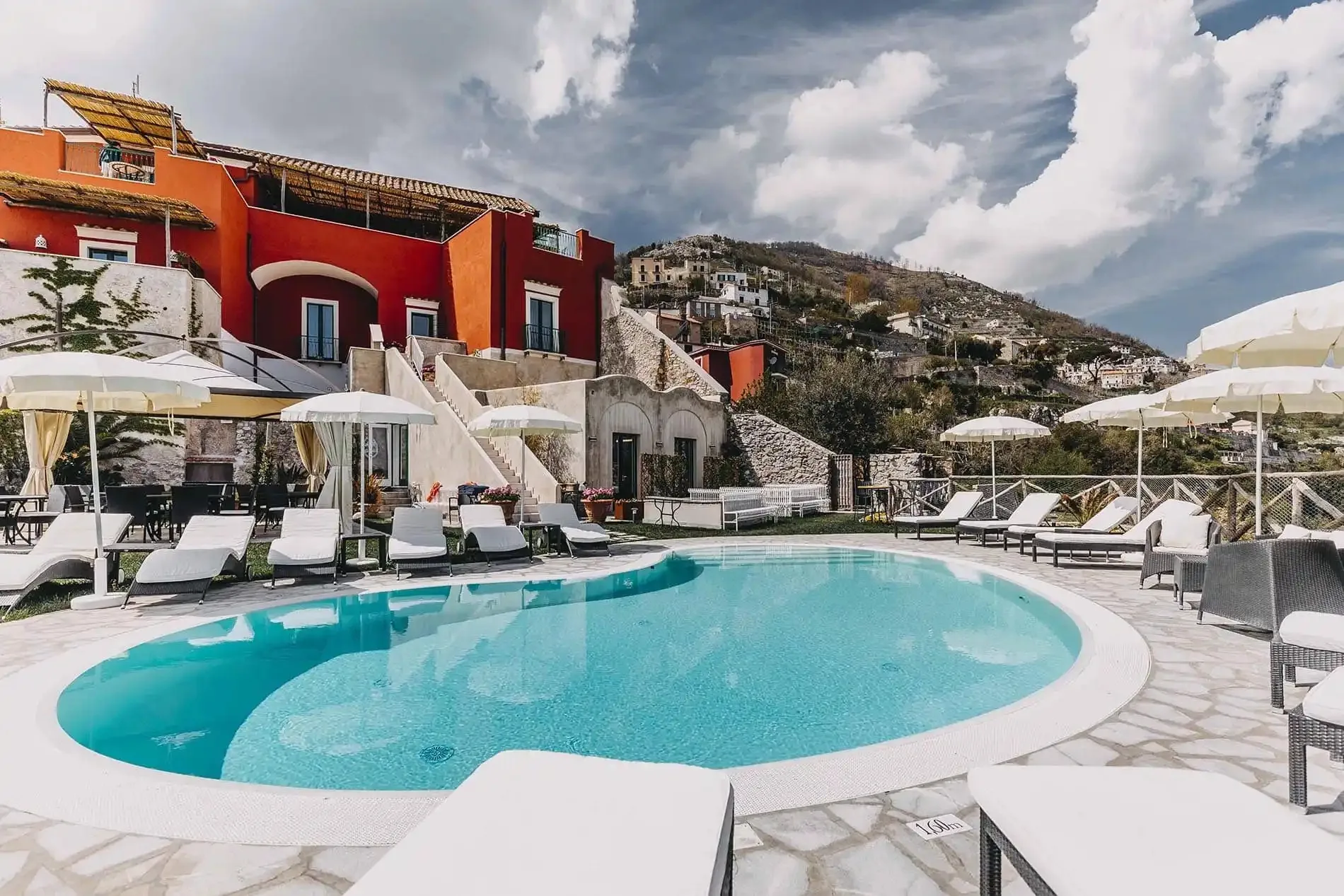
Ports and boats are useful only where published. Borgo names a private dock and private boats from Naples or Capri. Anantara names a five-minute boat to Lido degli Artisti, with charges. San Pietro’s harbour shuttle appears in press republished on the hotel blog. If boats cannot be used, the road is still the wedding. Indoor fallback is scarce in official language: Pascal publishes a rain plan B; Santa Caterina names a dining room with the veranda; Avino names the private restaurant. Most terraces on this page do not print what remains if the terrace disappears.
Ceremony types are not interchangeable. Civil, religious and symbolic must be confirmed separately. Anantara publishes a twelfth-century chapel for weddings — not, on the pages used, a municipal civil chamber. Palazzo Avino’s historic chapel is the lobby. Palazzo Pascal places civil or religious rites a few steps away at a historic church, and names symbolic outdoor rites. No shortlisted house was treated as licensed Town Hall this cycle.
A multi-day structure works when arrival, welcome, wedding and recovery morning stay inside one town’s geometry. The moment the list is split across Ravello and Positano, every chapter becomes transport. Supplier movement follows the same vertical rules as guests; specific production bans were not printed on the official pages used, so they are not invented here. How people actually move, once the house is chosen, is the guest-logistics problem. Whether the house can be held at all is the buyout problem.